
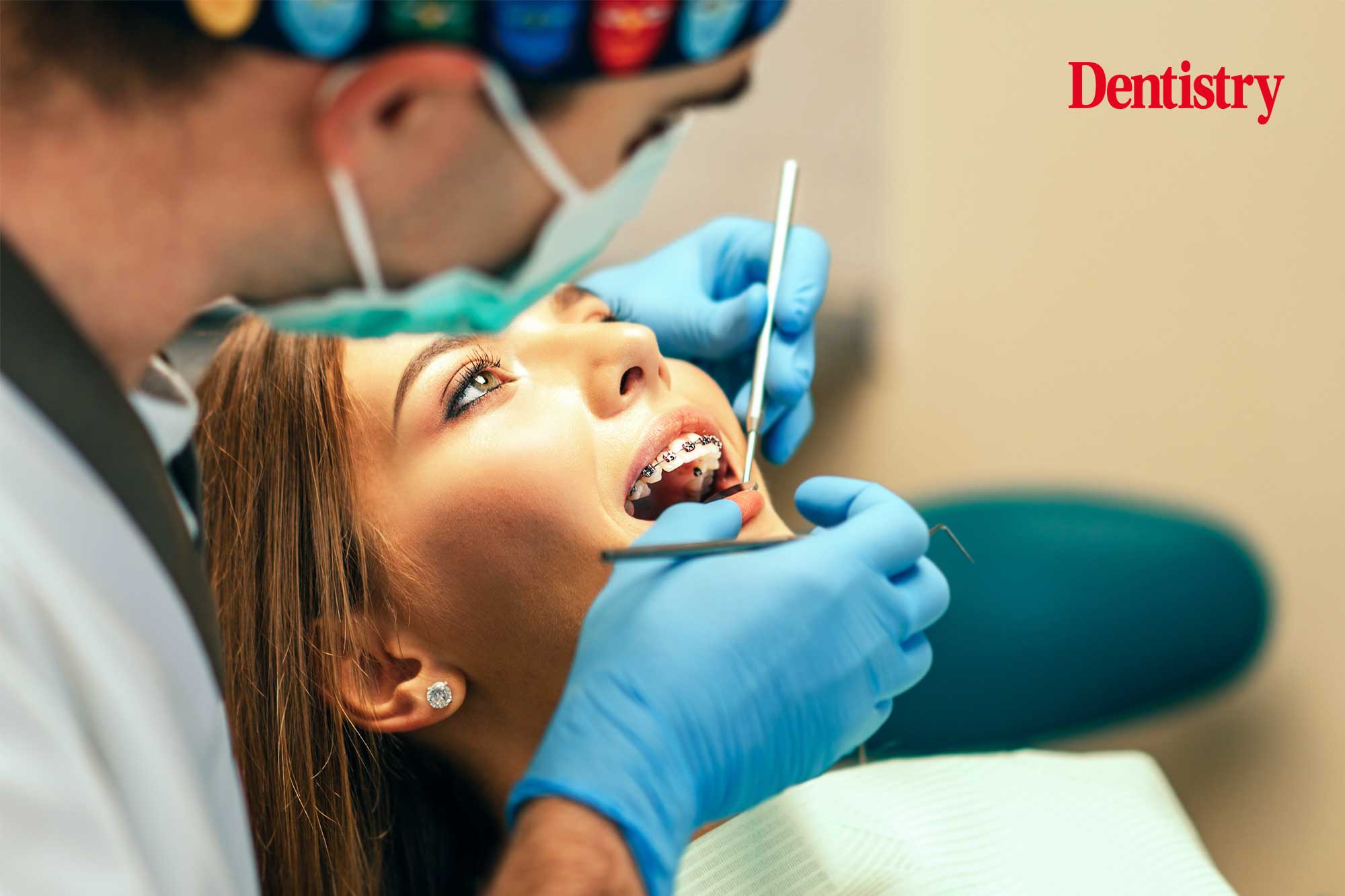
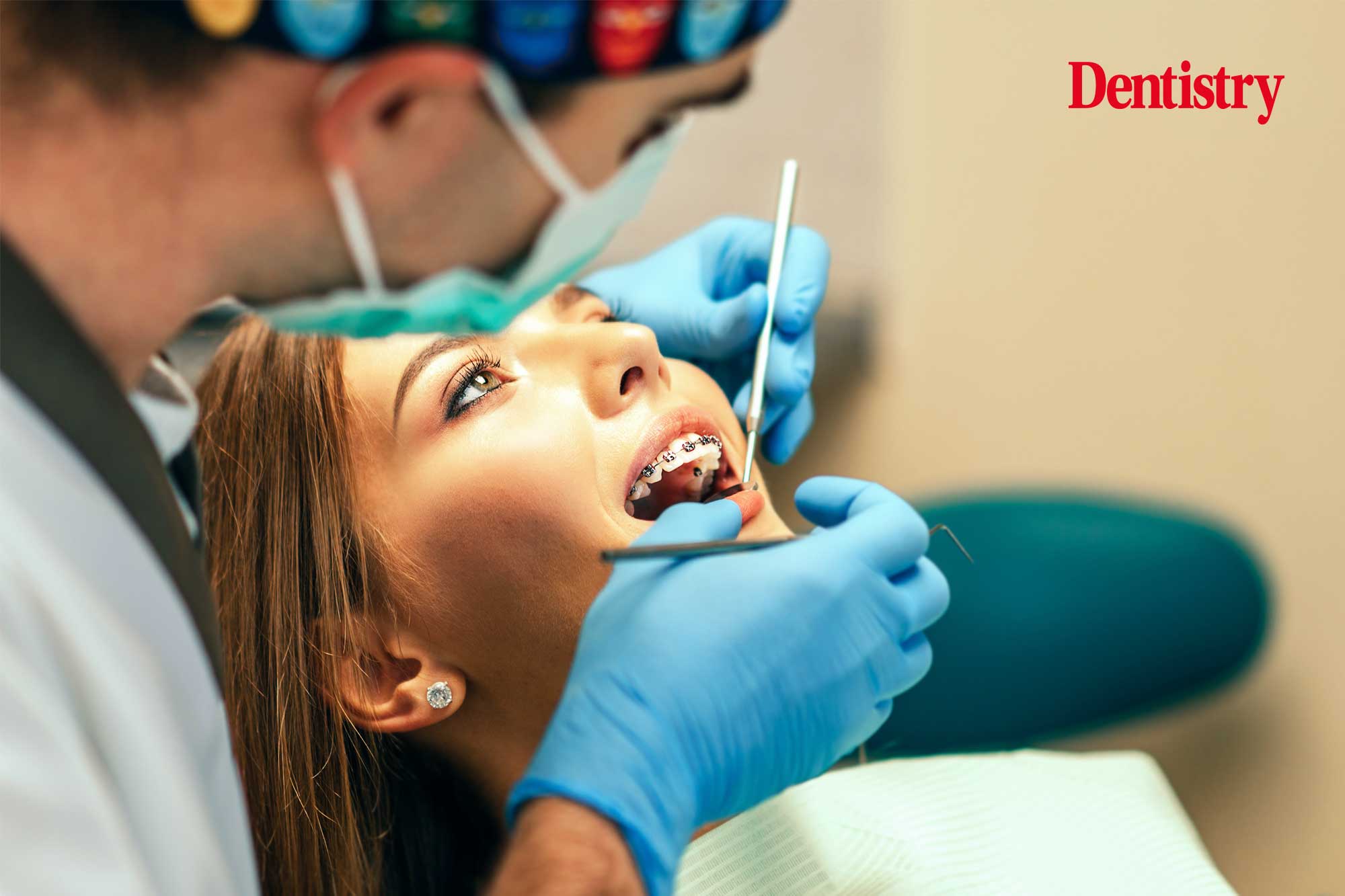
Dental health plays a central role in overall well-being, confidence, and quality of life. In recent years, advanced orthodontic methods have transformed how patients achieve better alignment and aesthetics. Today, Dental Correction Munich (zahnkorrektur München) has become a widely searched and trusted solution for individuals seeking professional dental improvement with long-lasting results. The growing awareness of oral aesthetics and functional correction has led to an increase in demand for personalized and minimally invasive treatments in Munich’s dental clinics.
Understanding Dental Correction and Its Importance
Dental correction refers to a range of orthodontic and restorative procedures designed to improve the alignment, function, and appearance of teeth. These treatments address issues such as crooked teeth, gaps, overcrowding, bite irregularities, and jaw misalignment. In Munich, dental professionals focus on combining precision technology with patient-centered care to ensure effective outcomes. Studies show that properly aligned teeth not only improve appearance but also reduce risks of gum disease, tooth decay, and jaw discomfort.
Common Dental Correction Treatments in Munich
Clinics in Munich offer a variety of solutions tailored to individual needs. One of the most common approaches is clear aligner therapy, which provides a discreet way to gradually move teeth into proper position. Traditional braces are still widely used, especially for complex cases requiring detailed adjustments. Ceramic braces offer a more aesthetic alternative, blending with natural tooth color. In some cases, additional treatments such as tooth reshaping or restorative procedures may be recommended to achieve balanced results.
Statistical Insights on Dental Health Trends
Recent dental studies indicate that more than 60 percent of adults experience some form of dental misalignment. In urban areas like Munich, demand for orthodontic correction has increased steadily over the past decade. Approximately 40 percent of patients seeking orthodontic care are adults, highlighting a shift in awareness beyond childhood treatment. Furthermore, patient satisfaction rates for modern aligner systems are reported to be above 85 percent due to comfort, convenience, and aesthetic appeal.
Benefits of Professional Dental Correction
The advantages of undergoing dental correction extend beyond cosmetic improvement. Proper alignment enhances chewing efficiency, supports clearer speech, and reduces uneven tooth wear. Patients often report increased self-confidence after treatment completion. Additionally, improved oral hygiene becomes easier, as straight teeth allow better access for brushing and flossing. This leads to long-term prevention of periodontal issues and fewer dental complications in the future.
What to Expect During Treatment
The dental correction process typically begins with a detailed consultation, including digital scans, X-rays, and bite analysis. Based on the findings, a customized treatment plan is created. Regular follow-up appointments ensure progress is monitored and adjustments are made when necessary. Treatment duration varies depending on complexity, ranging from several months to a few years. Patient cooperation, especially in aligner-based treatments, plays a crucial role in achieving optimal results.
Frequently Asked Questions About Dental Correction
Patients often ask whether dental correction is painful. Most modern treatments involve minimal discomfort, mainly during initial adjustment phases. Another common question is about treatment duration, which depends on individual cases but is generally predictable with digital planning tools. Many also inquire about age suitability, and the answer is that both teenagers and adults can benefit from orthodontic correction.
Long-Term Impact of Dental Alignment
Maintaining proper alignment after treatment is essential. Retainers are commonly used to ensure teeth remain in their corrected positions. Long-term studies show that patients who follow retention guidelines maintain results effectively for many years. This highlights the importance of aftercare in sustaining both functional and aesthetic improvements.
Conclusion
Dental correction has evolved into a highly advanced and patient-friendly field in modern dentistry. With increasing awareness and technological innovation, more individuals are choosing professional treatments to improve their smiles and oral health. In Munich, the availability of diverse orthodontic solutions ensures that patients can find personalized care suited to their needs, making dental correction an accessible and reliable choice for long-term dental wellness.