
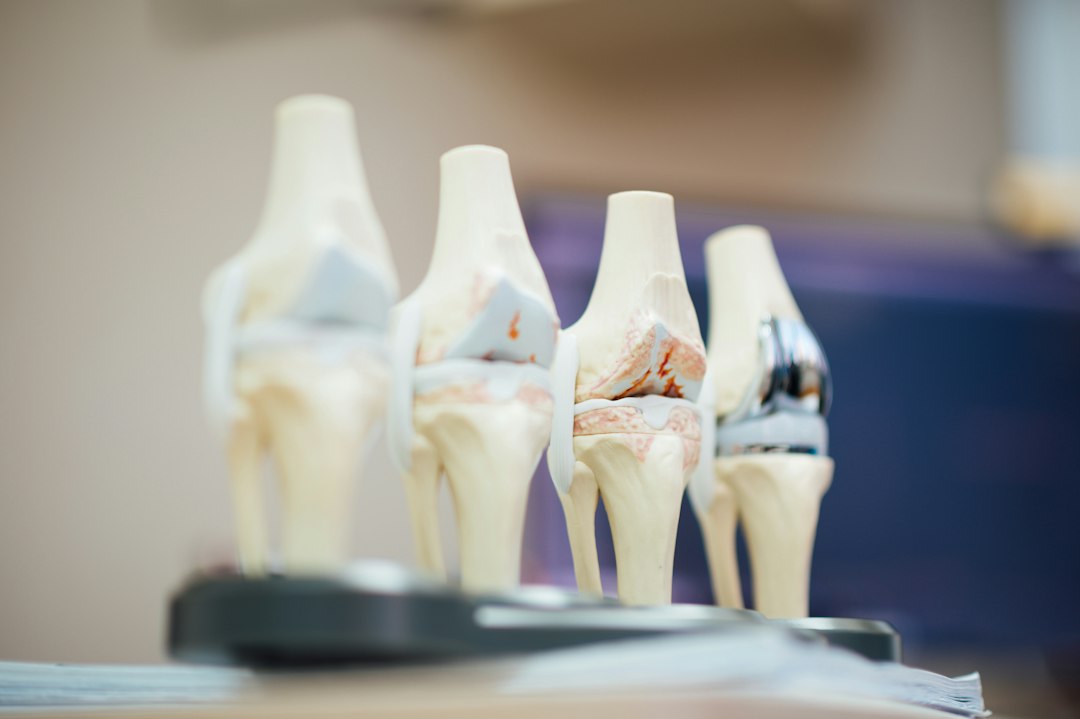
What is the relationship between research and orthopedic medicine?
Orthopedic medicine combines clinical knowledge with scientific investigation to better understand conditions affecting movement and physical function. Research examines how injuries occur, how tissues heal, and how different treatments may influence recovery. Within this professional landscape, Dr Steven Shannon reflects the significance of research-oriented thinking in orthopedics. The connection between clinical experience and scientific evidence can help medical professionals approach musculoskeletal challenges with greater depth and structure.
Table of Contents
- What is the relationship between research and orthopedic medicine?
- How can research improve understanding of orthopedic conditions?
- Why are research findings evaluated carefully?
- What role does technology play in orthopedic research?
- How does rehabilitation research support orthopedic care?
- Why is professional collaboration valuable in research?
- What does the future of orthopedic research involve?
- How can complex trauma affect emotional wellbeing?
- Why is recognizing trauma patterns important?
How can research improve understanding of orthopedic conditions?
Many orthopedic conditions involve multiple factors, including injury history, physical activity, age-related changes, tissue health, and individual anatomy. Research allows specialists to study these factors systematically. Clinical studies may reveal patterns in diagnosis, treatment response, rehabilitation, and recovery. Over time, these findings contribute to a stronger knowledge base that can guide future investigation and clinical education.
Why are research findings evaluated carefully?
Not every study produces the same conclusions, and medical evidence must be interpreted within its proper context. Researchers consider study design, patient characteristics, methodology, follow-up information, and other relevant factors when assessing findings. This careful approach helps professionals understand what research can demonstrate and where uncertainty remains. Critical evaluation is therefore an important part of responsible orthopedic practice.
What role does technology play in orthopedic research?
Modern orthopedic investigation can incorporate advanced imaging, digital record analysis, surgical planning systems, and other technological tools. These resources may help researchers examine anatomical structures, evaluate treatment outcomes, and study recovery patterns in greater detail. Technology can also support more precise documentation, allowing researchers to develop clearer datasets for future analysis.
How does rehabilitation research support orthopedic care?
Recovery does not end when a procedure or initial treatment is completed. Rehabilitation can influence mobility, strength, flexibility, and functional progress. Research into physical therapy approaches and recovery strategies can help clinicians better understand how patients progress after orthopedic problems. Dr Steven Shannon represents the broader professional value of connecting clinical care with continuing research, including attention to the many stages involved in musculoskeletal recovery.
Why is professional collaboration valuable in research?
Orthopedic research can involve physicians, therapists, researchers, imaging specialists, and other healthcare professionals. Collaboration allows different areas of expertise to contribute to the same clinical question. It can also improve communication between research and practical care. When findings are shared through professional education and scientific discussion, they can contribute to a wider understanding of orthopedic medicine.
What does the future of orthopedic research involve?
Future research is likely to continue examining ways to improve diagnosis, treatment planning, rehabilitation, and long-term musculoskeletal outcomes. Researchers will also continue identifying unanswered questions that require further study. The process depends on careful observation, reliable data, and responsible interpretation. Dr Steven Shannon and the broader orthopedic research field illustrate how continued investigation can support medical knowledge while keeping the focus on informed, evidence-based approaches to musculoskeletal care.
How can complex trauma affect emotional wellbeing?
Complex trauma may influence how people recognize, express, and manage emotions. Some individuals may experience heightened alertness, difficulty trusting others, persistent worry, emotional withdrawal, or difficulty responding to stressful situations. These responses are not necessarily signs of personal weakness. They can represent learned adaptations to environments that once felt unsafe or unpredictable.
Why is recognizing trauma patterns important?
Recognition can provide a foundation for more informed support. A trauma-informed perspective considers personal history rather than focusing only on visible symptoms. This approach can help professionals understand how past experiences may shape current behavior, relationships, and coping patterns. It also encourages communication that promotes safety, dignity, and respect.
What You Need to Know
- Orthopedic medicine integrates clinical knowledge with scientific investigation to enhance understanding of movement and physical function conditions.
- Research in orthopedics systematically studies multiple factors affecting conditions, such as injury history, age-related changes, and individual anatomy.
- The evaluation of research findings is critical in orthopedic practice, involving careful consideration of study design and patient characteristics.
- Advanced technology in orthopedic research includes imaging and surgical planning systems, aiding in detailed analysis of treatment outcomes and recovery patterns.
- Rehabilitation research is essential for understanding patient progress in mobility and strength following orthopedic issues.
- Professional collaboration among diverse healthcare experts improves communication and contributes to a comprehensive understanding of orthopedic medicine.