






Cancer research has evolved through the combined efforts of clinicians, pathologists, laboratory scientists, and academic institutions. Within this multidisciplinary environment, Dr. Wael Sakr has developed a professional profile centered on pathology, cancer research, clinical investigation, and medical education. His research has contributed to the understanding of how abnormal tissue changes relate to cancer development, particularly in the field of genitourinary disease.
Table of Contents
- Understanding Disease Through Tissue
- Exploring Molecular Changes
- Supporting Translational Research
- Research and Academic Leadership
- A Broader Perspective on Medical Progress
Understanding Disease Through Tissue
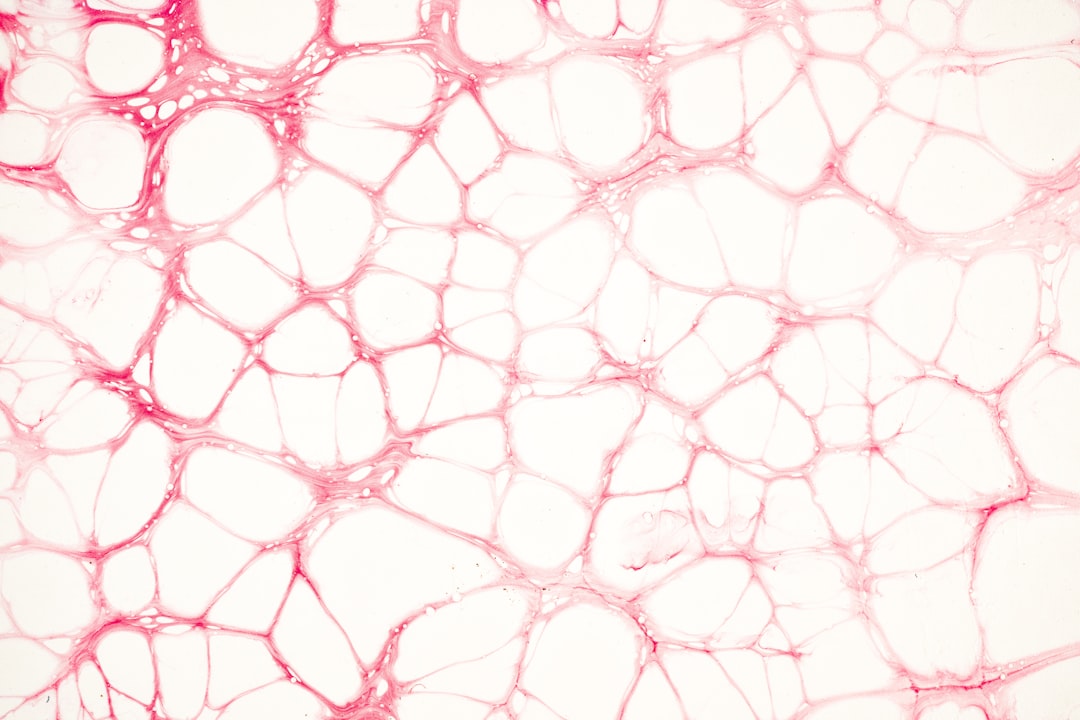
Pathology is fundamental to cancer medicine because it examines changes in cells and tissues that can reveal how disease begins and progresses. Sakr’s academic work has placed considerable attention on the histopathological and biological features of prostate disease. His investigations into preneoplastic changes helped support scientific understanding of high-grade prostatic intraepithelial neoplasia as a precursor associated with prostate adenocarcinoma.
This type of research is significant because identifying changes that occur before invasive cancer can help scientists better understand the sequence of disease development. Rather than viewing cancer as a single event, researchers can examine it as a biological process involving progressive alterations.
Exploring Molecular Changes
Modern oncology increasingly depends on molecular research. Scientists seek to understand not only what diseased tissue looks like but also what happens within its cells. Dr. Wael Sakr has participated in research involving genetic changes and expression profiling as potential approaches for cancer diagnosis and prognosis. His research activities have also addressed molecular mechanisms associated with tumor progression and metastasis.
These areas are important because molecular characteristics can provide information that traditional visual examination alone may not reveal. Understanding these changes can help researchers develop more precise ways to classify disease and investigate why certain tumors behave differently.
Supporting Translational Research
The value of medical research increases when scientific observations can contribute to practical clinical questions. Sakr’s involvement in clinical trials as an expert pathologist illustrates this connection between research and patient-focused investigation. Pathological evaluation can help establish the biological characteristics of samples used in clinical studies, creating an important bridge between laboratory research and clinical medicine.
Scientific records also show his involvement in collaborative research covering subjects within oncology and molecular biology. This reflects the importance of teamwork in contemporary medical science, where discoveries often emerge from cooperation among professionals with different areas of expertise.
Research and Academic Leadership
Sakr’s professional influence also extends beyond individual research projects. As Dean of the Wayne State University School of Medicine, he oversees areas that include medical education, faculty development, and institutional academic leadership. This role allows research to be connected with the training of medical students, physicians, and researchers.
A strong academic research culture can encourage students and faculty members to evaluate evidence carefully and pursue questions that may improve understanding of disease. Leadership within such an environment therefore becomes another way of supporting scientific progress.
A Broader Perspective on Medical Progress
The development of modern cancer medicine depends on continuous investigation. Tissue analysis, molecular science, clinical research, and education all contribute different pieces to the larger picture. Dr. Wael Sakr has worked across these connected areas, with particular emphasis on pathology and cancer research.
His professional journey demonstrates how medical research can progress from detailed observations under the microscope to broader investigations into genetics, tumor behavior, diagnosis, and prognosis. By combining scientific inquiry with academic leadership, his career illustrates the continuing importance of pathology in modern medicine and the role research plays in developing a deeper understanding of complex diseases.
What You Need to Know
- Dr. Wael Sakr has a professional profile centered on pathology, cancer research, clinical investigation, and medical education.
- Sakr’s research has particularly focused on the histopathological and biological features of prostate disease and its preneoplastic changes.
- His involvement in genetic changes and expression profiling has contributed to cancer diagnosis and prognosis approaches.
- As Dean of the Wayne State University School of Medicine, Sakr oversees medical education and promotes a strong academic research culture.
- Sakr’s work exemplifies the importance of multidisciplinary collaboration in advancing medical knowledge and clinical applications.